
When Taylor Swift lost control of her master recordings in 2019, she faced a choice that every powerful person eventually confronts. She could fight for what she had lost, or she could build something that could never be taken again.
She built.
Rather than negotiate for partial ownership, she re-recorded her entire catalog. Each album carried a small but defiant phrase in its title: Taylor’s Version. Her fans learned to treat those words as a signal. By streaming the re-recorded tracks, they helped shift revenue, visibility, and legitimacy back to her. What began as a legal maneuver became a moral one. Swift had built a system that no future contract could undo. Her audience had become her fortress.
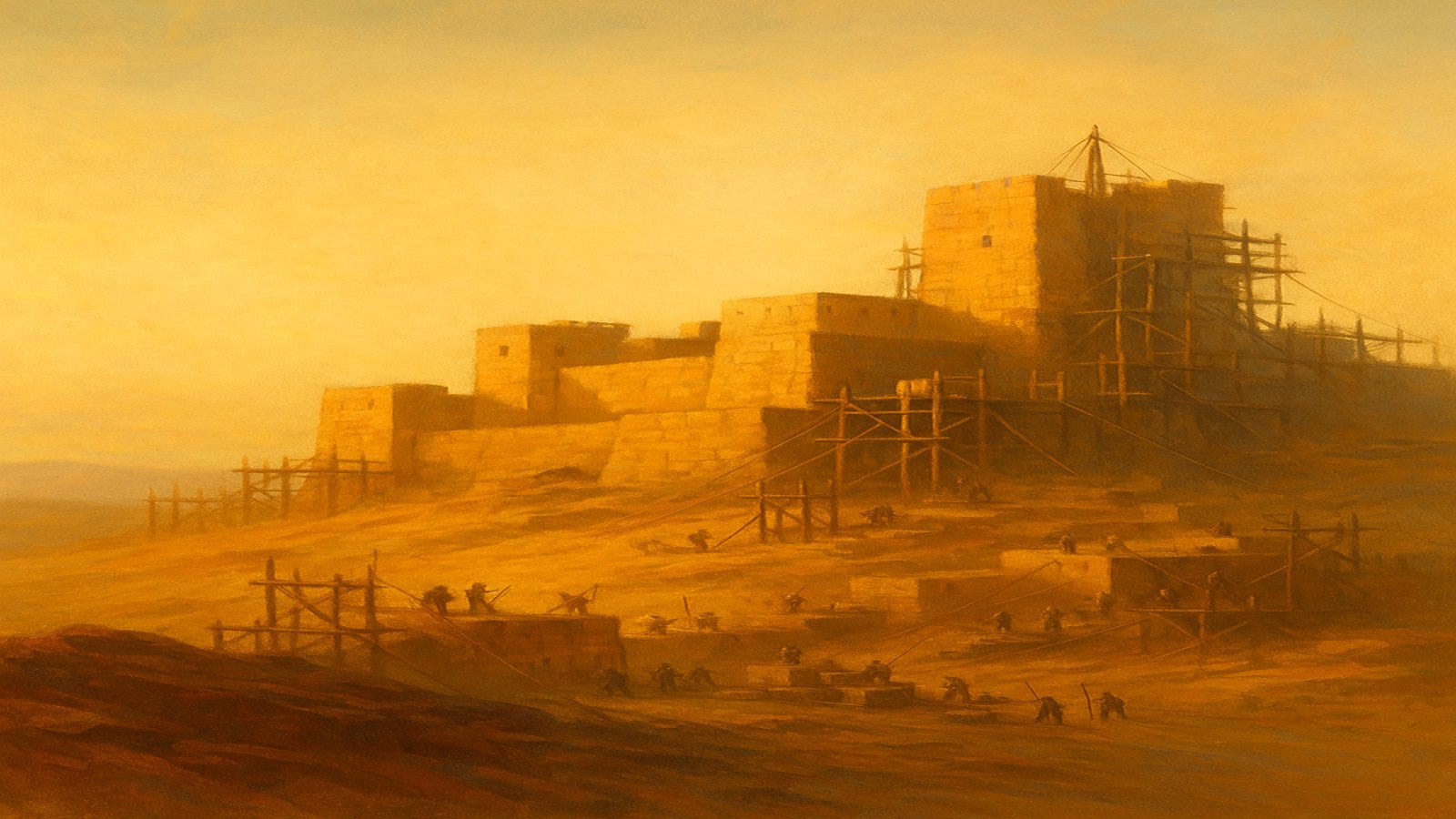
That is a Stronghold Formation.
A Stronghold Formation begins when victory becomes vulnerable. It is the act of transforming personal success into structural endurance. The first half of power is ascent; the second half is defense.
Swift’s fortress was cultural. Donald Trump’s was political.
After losing the presidency, he refused to let defeat define his reach. He transformed campaign infrastructure into a permanent base of operations. Rallies became rituals, mailing lists became funding pipelines, and sympathetic media turned into a self-replenishing ecosystem. His movement no longer depended on formal office. It had become a parallel institution, one that survives because it does not need to win to exist.
Walt Disney followed the same pattern in business. Years of creative risk had brought fame but also near bankruptcy. He realized imagination alone could not sustain control. So he built an empire designed to outlive him. Copyright law, licensing networks, and a culture of precision turned artistic vision into self-perpetuating process. The company he created no longer required his presence to operate. It protected his world by repeating it.
Swift built a fortress out of ownership. Trump built one out of loyalty. Disney built one out of process. Each arose from the same instinct: the fear of loss turned into infrastructure.
Stronghold Formation follows a predictable logic.
First come the loyalists, who become the human walls. They ensure stability but discourage dissent. Next comes the rulebook, which converts instinct into procedure. Flexibility turns into formality. Finally comes the story that sanctifies it all. The stronghold begins to believe that its own durability is proof of virtue.
The sequence is always the same. People, then process, then purpose. By the end, the purpose exists only to preserve the people and process that guard it.
A Stronghold Formation is not conquest. It is consolidation. It is not an Alliance Formation, because it looks inward rather than outward. It is not stagnation, although stagnation often follows. It is a conscious act of self-preservation.
Every powerful figure performs it. The founder who once moved fast starts hiring compliance officers. The reformer who once demanded transparency begins speaking in terms of procedure. The leader who once broke rules learns to write them.
The move is not always cynical. It is often rational. The higher one rises, the more one sees that motion without protection is exhaustion. The stronghold promises rest.
Yet every fortress exacts a price.
Walls that protect also isolate. The creator becomes a custodian. The leader becomes a caretaker. The institution that once served a mission begins serving itself.
Swift’s independence now depends on total narrative control. Trump’s influence depends on continual crisis. Disney’s legacy depends on repetition that often limits innovation. The same structures that guarantee survival eventually guarantee sameness.
This is the paradox of endurance. The more secure a power becomes, the less it can adapt. Stronghold Formation succeeds until it traps its creator inside the very walls that were meant to protect them.
The rare few learn when to open the gate.
George Washington refused a third term and preserved a republic instead of himself. Nelson Mandela stepped aside after one, protecting moral authority that no stronghold could match. They understood that permanence is not the same as legacy.
Most cannot make that choice. They guard what they built so tightly that time erodes it anyway. History’s ruins are full of fortresses that outlasted their purpose.
The five moves of power complete their arc here.
Narrative Capture wins the story.
Gatekeeper Fall opens the path.
Throne Capture secures command.
Alliance Formation multiplies reach.
Stronghold Formation locks it in.
The first four moves describe how power rises. The fifth explains why it stalls. It is the final reflex of success, the moment power trades adaptation for survival.
Power begins with imagination and ends with administration. It starts as movement and finishes as maintenance. Stronghold Formation is the instinct to make victory last by making it less alive.
Every empire, company, and career eventually builds its walls. Only those who know when to open them endure.
If this helped you see the system with sharper eyes, consider subscribing. Each piece offers grounded analysis of how power operates, how rules bend, and how clarity becomes leverage. Understanding the system is not optional. It is an advantage worth cultivating.